
Introduction
Social media marketing is evolving faster than ever. Platforms such as Instagram, Facebook, YouTube, LinkedIn and TikTok have become more than places to share updates. They are now important channels for brand discovery, customer engagement, online shopping and business growth.
In 2026, businesses need more than regular posting to stand out. They must understand changing audience behaviour, create engaging content, use artificial intelligence (AI) wisely and build genuine relationships with their followers.
According to HubSpot’s 2026 social media trends research, short-form video, AI-powered content creation, social search and community building are among the major developments shaping marketing strategies.
Here are the key trends every marketer and business owner should know.
1. AI-Powered Content Creation Is Transforming Marketing
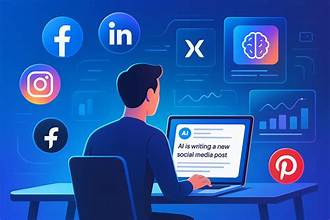
Artificial intelligence has become an important tool for social media marketers. Businesses can use AI to brainstorm content ideas, write captions, generate creative concepts, analyse performance and plan campaigns more efficiently.
For example, a digital marketing agency can use AI to develop a month-long content calendar, create multiple caption variations and identify potential topics for Instagram Reels.
However, AI should support creativity rather than replace it. Content that feels generic, repetitive or completely automated may struggle to build audience trust.
How businesses can use this trend:
- Generate fresh content ideas and campaign concepts.
- Create caption variations for different platforms.
- Use AI tools to organise content calendars.
- Analyse engagement patterns and audience interests.
- Add original insights, real experiences and a distinctive brand voice.
The goal is to combine AI’s efficiency with human creativity.
2. Short-Form Video Continues to Dominate
Short-form video remains one of the most important formats in social media marketing. Instagram Reels, YouTube Shorts and TikTok videos allow brands to communicate ideas quickly and capture attention through storytelling.
In India, Meta’s 2026 research highlights the growing role of Reels in content discovery and consumer purchasing decisions.
Businesses can use short videos to demonstrate products, share customer experiences, explain services and answer frequently asked questions.
For instance, a travel agency could publish a 20-second video showcasing Bali’s beaches, hotel experiences and popular attractions. A skincare brand could create a quick tutorial explaining how to use a particular product.
Tips for better video performance:
- Start with an attention-grabbing hook.
- Communicate one clear idea per video.
- Use subtitles and readable on-screen text.
- Keep the content relevant to your target audience.
- Include a clear call to action where appropriate.
Remember, a useful and relatable video can be more effective than an expensive production that fails to connect with viewers.
3. Social SEO Is Becoming Essential
People increasingly use social platforms to discover products, businesses, tutorials, restaurants and services. Instead of relying exclusively on traditional search engines, users may search directly on Instagram, YouTube or TikTok.
This makes social SEO an important part of a modern marketing strategy.
Social SEO means optimising your content so that it is easier for users to discover when searching for relevant topics.
For example, a digital marketing agency targeting Indian businesses could use phrases such as “social media marketing services in Delhi” in relevant captions, profile descriptions and video text.
Ways to improve social SEO:
- Include relevant keywords in captions.
- Write descriptive titles for videos.
- Use clear on-screen text.
- Optimise your profile bio with relevant services and locations.
- Answer common questions your target audience searches for.
- Use hashtags selectively to support content categorisation.
The key is to create content around what your audience actually wants to learn, rather than filling every post with popular but unrelated keywords.
4. Influencer Marketing Is Shifting Towards Authenticity
Influencer marketing is no longer only about partnering with celebrities or creators who have millions of followers. Brands are increasingly exploring micro-influencers and niche creators who have strong connections with specific communities.
Smaller creators can be valuable when their audience matches a brand’s target customers and trusts their recommendations.
For example, a local restaurant might collaborate with a food creator who regularly reviews eateries in the same city. A travel company could partner with a travel vlogger who shares practical destination guides.
Successful partnerships depend on more than follower counts.
Businesses should evaluate audience relevance, engagement quality, content style, credibility and campaign results before selecting a creator.
Long-term partnerships can also help brands develop more consistent and believable storytelling than isolated promotional posts.
5. Authentic Content Is More Valuable Than Perfect Content
Audiences are exposed to a huge volume of promotional and AI-generated content. As a result, brands need to offer something distinctive and credible.
Behind-the-scenes videos, employee stories, customer testimonials, product demonstrations and honest educational posts can help businesses build stronger relationships with their audiences.
For example, instead of publishing only polished promotional graphics, a clothing brand could share a video showing how an outfit looks in everyday settings. A marketing agency could explain how it approaches a campaign and what it learned from the results.
Authenticity does not mean ignoring quality. It means making content feel human, relevant and trustworthy.
Businesses should focus on providing real value instead of chasing every viral trend.
6. Community Building Is Becoming a Growth Strategy
Having a large number of followers does not automatically guarantee business success. Meaningful engagement, repeat interactions and customer relationships are equally important.
Brands can build communities through Instagram Broadcast Channels, Facebook Groups, interactive Stories, live sessions and relevant online discussions.
For example, a fitness brand could create a community where members exchange workout tips and participate in challenges. A travel company could share destination advice, travel checklists and updates with people planning their next holiday.
To strengthen your community:
- Respond to comments and direct messages.
- Ask relevant questions in your posts.
- Share useful information consistently.
- Encourage customers to share their experiences.
- Recognise and feature valuable community contributions.
A strong community can help brands improve customer loyalty, understand audience needs and generate recommendations through word of mouth.
7. Social Media Is Becoming a Shopping and Customer Service Channel
Social platforms increasingly influence the customer journey, from discovering a brand to researching a product and making a purchase.
Consumers may discover a product through a Reel, compare options through creator reviews and contact a business through direct messages or WhatsApp before placing an order.
This means social media marketing should connect content with customer service and sales.
Businesses can improve this experience by providing clear product information, responding promptly to enquiries, sharing useful FAQs and making their purchase process easy to understand.
For service-based businesses, social media can also generate leads by encouraging users to request quotations, book consultations or enquire about packages.
Marketing success should therefore be measured not only through likes and views but also through enquiries, conversions, customer retention and revenue.
How to Build a Social Media Marketing Strategy in 2026
Understanding trends is only the first step. Businesses need a practical plan to apply them consistently.
Step 1: Define your audience. Identify the people you want to reach, their interests, their challenges and the platforms they use.
Step 2: Set clear goals. Decide whether your priority is brand awareness, engagement, website traffic, lead generation or sales.
Step 3: Create a balanced content mix. Combine educational posts, short-form videos, customer stories, interactive content and promotional campaigns.
Step 4: Use AI strategically. Let AI assist with research, ideation and repetitive tasks, while your team reviews accuracy, originality and brand voice.
Step 5: Optimise for discovery. Use relevant keywords, descriptive captions and clear video text to help users find your content.
Step 6: Track performance. Monitor reach, watch time, saves, shares, meaningful comments, qualified leads and conversions.
Step 7: Improve based on results. Identify the content that performs best with your target audience and use those insights to refine future campaigns.
Consistency matters, but the objective is not simply to publish more. It is to publish content that serves a clear purpose.
Conclusion
Social media marketing in 2026 is about combining technology, creativity and genuine audience relationships. AI can make content production more efficient, short-form video can improve discovery, social SEO can connect brands with relevant audiences, and creator partnerships can help build trust.
However, no single trend guarantees success. Every business has different goals, customers and resources.
The most effective strategy is to experiment with relevant formats, understand what your audience values and measure results beyond vanity metrics.
The future of social media marketing belongs to brands that use technology intelligently while keeping people, trust and useful content at the centre of their strategy.
Frequently Asked Questions
1. What is the biggest social media marketing trend in 2026?
AI-assisted content creation, short-form video, social search, authentic creator partnerships and community building are among the key trends shaping social media marketing in 2026.
2. Is social media marketing still effective for small businesses?
Yes. Small businesses can use social media to build awareness, connect with local customers, showcase products and services, generate enquiries and develop customer loyalty.
3. How often should a business post on social media?
There is no universal posting frequency. Businesses should choose a sustainable schedule that allows them to publish useful, high-quality content consistently and adjust it according to audience response.
4. How can AI help with social media marketing?
AI can support content ideation, caption writing, creative development, scheduling workflows and performance analysis. Human review remains important for accuracy, originality and authenticity.
5. Which social media platform is best for marketing?
The best platform depends on your audience and business goals. Instagram and YouTube can be useful for visual storytelling, LinkedIn for professional audiences, and Facebook or WhatsApp for community engagement and customer communication.